


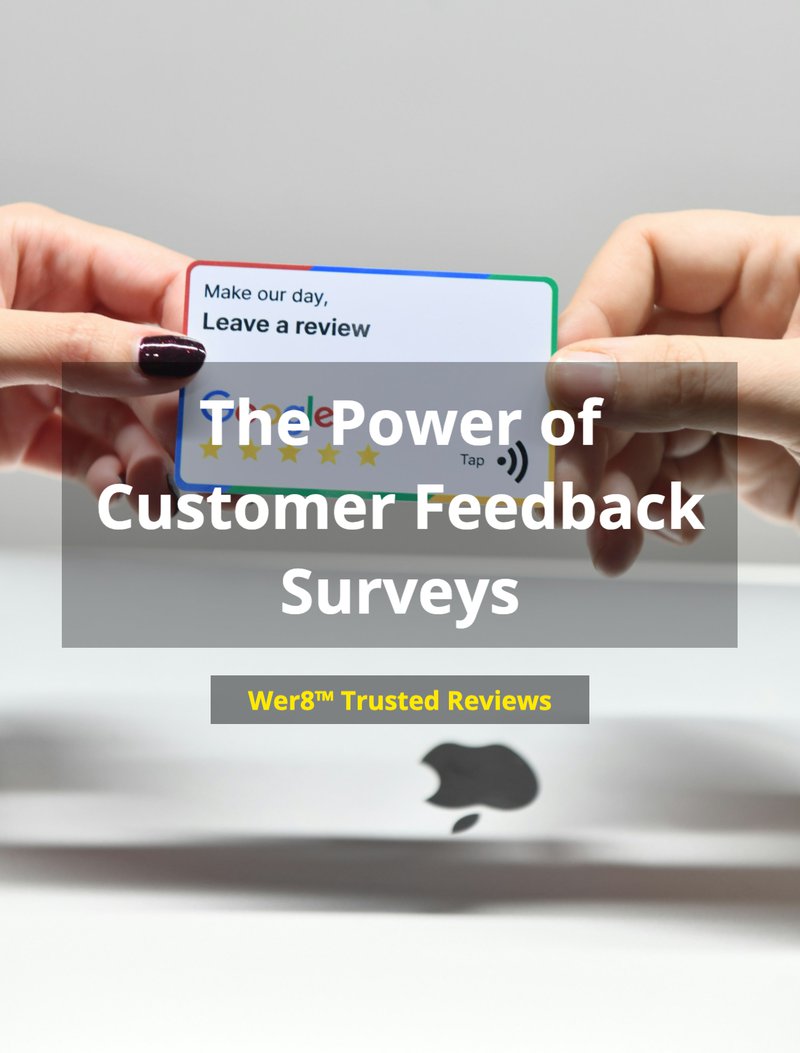
In spas and salons, trust is the product as much as the service. Clients are letting you touch their hair, skin, and personal comfort zone. That’s why customer feedback surveys aren’t just a “nice-to-have” marketing tactic. They’re one of the fastest ways to build an honest company that people believe in, recommend, and return to.
When you collect feedback consistently and act on it publicly, you create a culture of transparency. You also reduce guesswork for your team, because decisions are based on real client experiences, not assumptions.

Why feedback surveys create more honest spa and salon brands
Honesty is not only about telling the truth when things go wrong. It’s about making it easy for customers to tell you the truth, and showing them you listened.
Well-run surveys help you:
- Spot service issues early (before they become negative reviews)
- Understand what clients value most (so you invest in the right upgrades)
- Identify training gaps by service type, day, or staff role
- Prove you’re improving over time, not just promising to improve
The real “power” is not the survey itself. It’s the feedback loop you build around it.
What to measure in a spa or salon survey
Spas and salons are experience-driven businesses. That means your survey should capture both the outcome (haircut quality, facial results) and the experience (welcome, comfort, clarity, cleanliness).
A practical survey covers four categories:
Service quality and results
Did the service meet expectations? Was the result explained? Did the client feel confident about aftercare?
Staff experience
Was the staff professional, friendly, and attentive? Did the client feel respected and listened to?
Environment and operations
Cleanliness, music, wait time, booking process, and pricing clarity.
Loyalty signals
Would they come back? Would they recommend you? What would make the experience a 10/10?
That’s exactly where PointsBank™ Club fits in: with their digital loyalty cards to help grow and keep your audience. Your loyalty digital card sits inside their Apple and Google Wallet, with push notifications, geo-targeted messaging, points/rewards, and a built-in customer feedback platform with logic that helps turn your casual visitors into regulars. (pointsbank.club)

Choosing the right survey type for your goal
Not every survey is meant for the same job. Use a mix to reduce survey fatigue while still collecting actionable data.
| Survey type | Best used for | When to send | Typical length |
|---|---|---|---|
| Post-visit survey | Service quality, staff performance, facility feedback | 1–4 hours after checkout | 3–6 questions |
| Relationship survey | Bigger-picture brand trust and loyalty | Quarterly or twice a year | 6–10 questions |
| Service-specific survey | Deep feedback on a specific service (e.g., balayage, massage, facial) | 24–72 hours after service | 5–8 questions |
| Recovery survey | Turning a negative experience into retention | After issue resolution | 3–5 questions |
How to implement feedback surveys without annoying clients
Clients will gladly share feedback when it’s easy, relevant, and clearly used. The difference between “helpful” and “spammy” is usually timing and friction.
1) Ask at the right moment
For most spas and salons, the best time is shortly after the appointment, while the experience is fresh.
Common timing that works:
- Same day for nails, barbering, massage, blowouts, and quick services
- 24–48 hours later for hair color and skincare treatments (so results settle)
2) Keep it short, then offer an optional deep-dive
Start with a few key questions and add a “Tell us more” option at the end. This respects the client’s time while still capturing detailed feedback from those who want to share.
3) Use the channels clients already use
Surveys work best when they feel like a natural extension of your customer journey.
Practical channels for spas and salons:
- SMS after checkout
- Email receipt follow-up
- QR code at the front desk or mirror station
- A link inside your loyalty experience (so clients can respond from their phone in seconds)
If you’re using a mobile loyalty program, this becomes even smoother. For example, a wallet-based loyalty experience (Apple Wallet and Google Wallet) can make it easier to reach customers where they already keep your brand saved on their phone.
Survey questions that get honest answers
Aim for a friendly tone and clear wording. Avoid leading questions like “You loved your service, right?”
Here’s a high-performing question set for spas and salons:
- On a scale of 0–10, how likely are you to recommend us to a friend?
- What was the main reason for your score?
- Did your service start on time?
- Did you feel listened to and understood during the consultation?
- Was pricing clear before the service began?
- Is there one thing we could do better next time?
If you want one question that often uncovers hidden issues, use:
“What should we stop doing, start doing, or continue doing?”

The part most businesses miss: acting on feedback in a visible way
Surveys build honesty only when customers see change. That’s where many salons fall short. They collect data, but clients never see what happened next.
Close the loop with individual clients
If someone leaves a low score, respond quickly. A sincere follow-up can turn a negative moment into a loyalty win.
A simple structure:
- Thank them for the honesty
- Acknowledge what went wrong (without excuses)
- Offer a clear next step (redo, refund policy explanation, manager callback)
- Document the issue and resolution
Turn patterns into operational improvements
Look for repeat issues by:
- Service category (e.g., waxing vs. hair color)
- Day/time (e.g., Saturdays running late)
- Process step (booking, consultation, checkout, aftercare)
Then decide on one change you can implement within 2 weeks, not “someday.”
Share improvements publicly (without oversharing)
Transparency builds trust when you communicate it well. You don’t need to expose personal details or staff issues. Keep it professional and client-focused.
Examples you can share:
- “You asked for clearer pricing. We’ve updated our menu and consultation process.”
- “You told us wait times were creeping up. We adjusted scheduling buffers on weekends.”
- “You wanted better aftercare guidance. We now send a simple post-visit care note.”
This is how an honest company sounds: clear, calm, and accountable.
Using loyalty tools to increase survey response rates
One challenge with surveys is participation. Clients who had an “okay” experience often don’t respond, so your data can skew toward extremes.
That’s where loyalty can help, when used responsibly.
Ways to connect surveys with loyalty:
- Offer a small points thank-you for completing a survey (not for leaving a positive rating)
- Trigger a survey message after a loyalty check-in or visit redemption
- Segment surveys so regulars get fewer requests than first-time clients
A wallet-based loyalty solution can make this easier to manage because customers keep your card saved on their phone, and you can reach them with updates and reminders in a way that feels consistent with your brand experience.
If you want a platform designed for digital loyalty cards, customer engagement, and messaging that fits naturally into modern customer journeys, PointsBank™ Club is built for that. It supports Apple Wallet and Google Wallet and helps businesses create custom-branded loyalty programs that encourage repeat visits and ongoing engagement. You can explore it here: PointsBank™ Club
A simple transparency playbook for spas and salons
If you want a repeatable system that builds trust month after month, use this rhythm:
- Collect feedback continuously (short post-visit surveys)
- Review results weekly (15–30 minutes with managers)
- Pick one improvement every two weeks (small, measurable)
- Communicate changes monthly (email, social post, in-salon signage, or loyalty messages)
- Track whether scores improve (and keep what works)
Honest companies aren’t perfect. They’re consistent.

Common mistakes to avoid
A few survey pitfalls can quietly damage trust:
- Asking for feedback and then ignoring it
- Incentivizing only positive reviews (clients notice, and it backfires)
- Collecting too much data without a plan
- Making the survey feel like a complaint form instead of a conversation
- Not training staff on how feedback is used (teams perform better when they understand the “why”)
Turning feedback into loyalty, not just data
Customer feedback surveys help spas and salons do more than measure satisfaction. They help you build a reputation for fairness, responsiveness, and transparency.
When clients believe you’ll listen—and act—they come back more often, refer friends more confidently, and forgive the occasional hiccup because they trust your intent and your process.
That’s what an honest company earns: trust that lasts longer than any single appointment.

Share, leave a comment, and tell us what you think. Plus, get rewarded by leaving a video review.
Discover how you can get articles like these for your business here!
